

Daily Research Idea: Tumor Microenvironment-Responsive Nanoparticles
(1) Abstract
This review systematically summarizes the research progress of tumor microenvironment-responsive nanoparticles in cancer theranostics, and outlines major strategies for constructing smart nanocarriers by leveraging the unique physicochemical properties of tumor tissues, providing a comprehensive conceptual reference for precise delivery of therapeutic and imaging agents.
(2) Research Background
Malignant tumors pose a serious threat to human health. Traditional chemotherapeutic drugs suffer from limited bioavailability, poor water solubility, and insufficient tumor targeting. The introduction of nanotechnology has brought new directions for cancer treatment, but how to specifically accumulate therapeutic and imaging agents in solid tumor regions remains one of the core challenges in anti-tumor research.
(3) Main Content
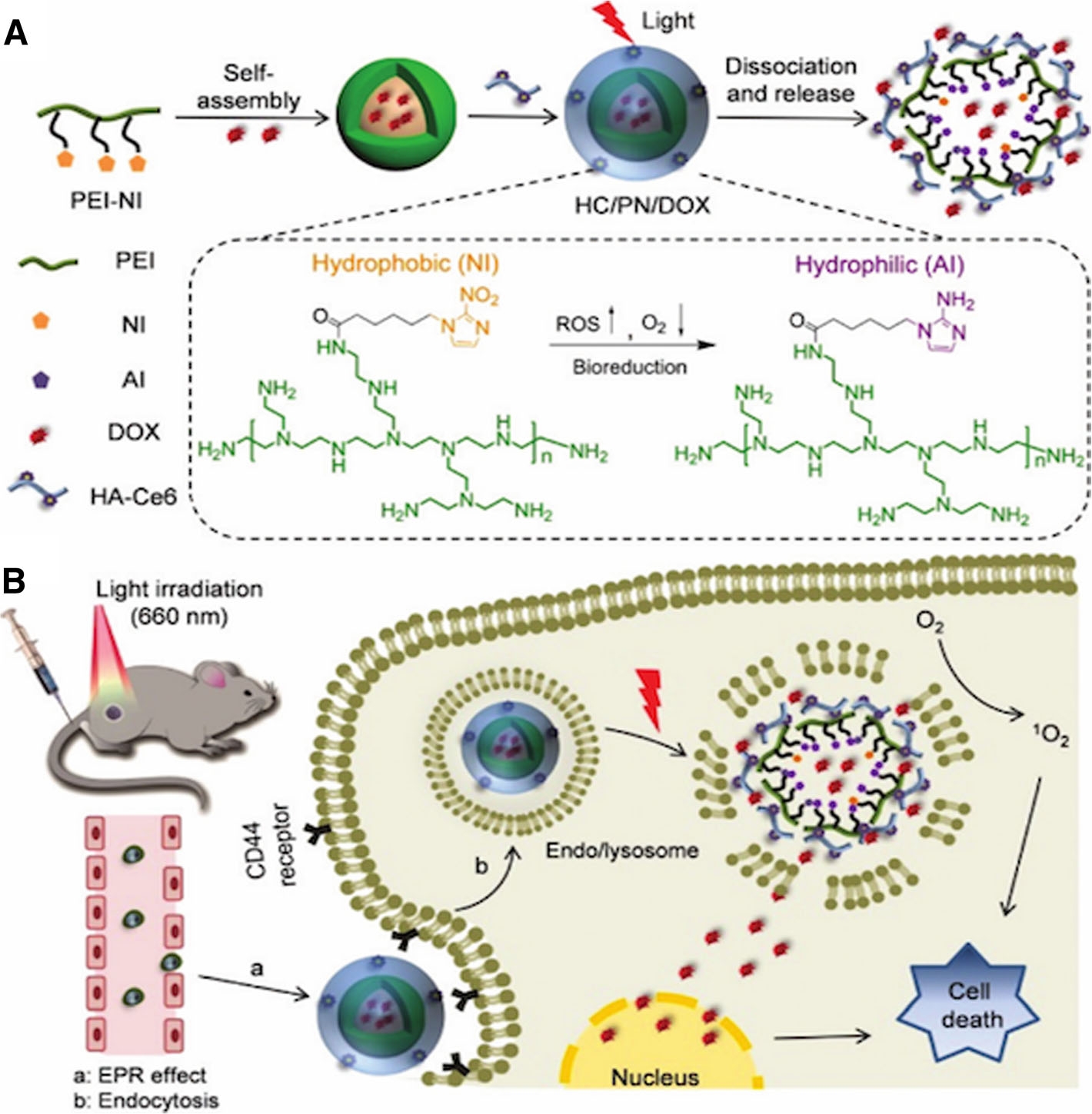
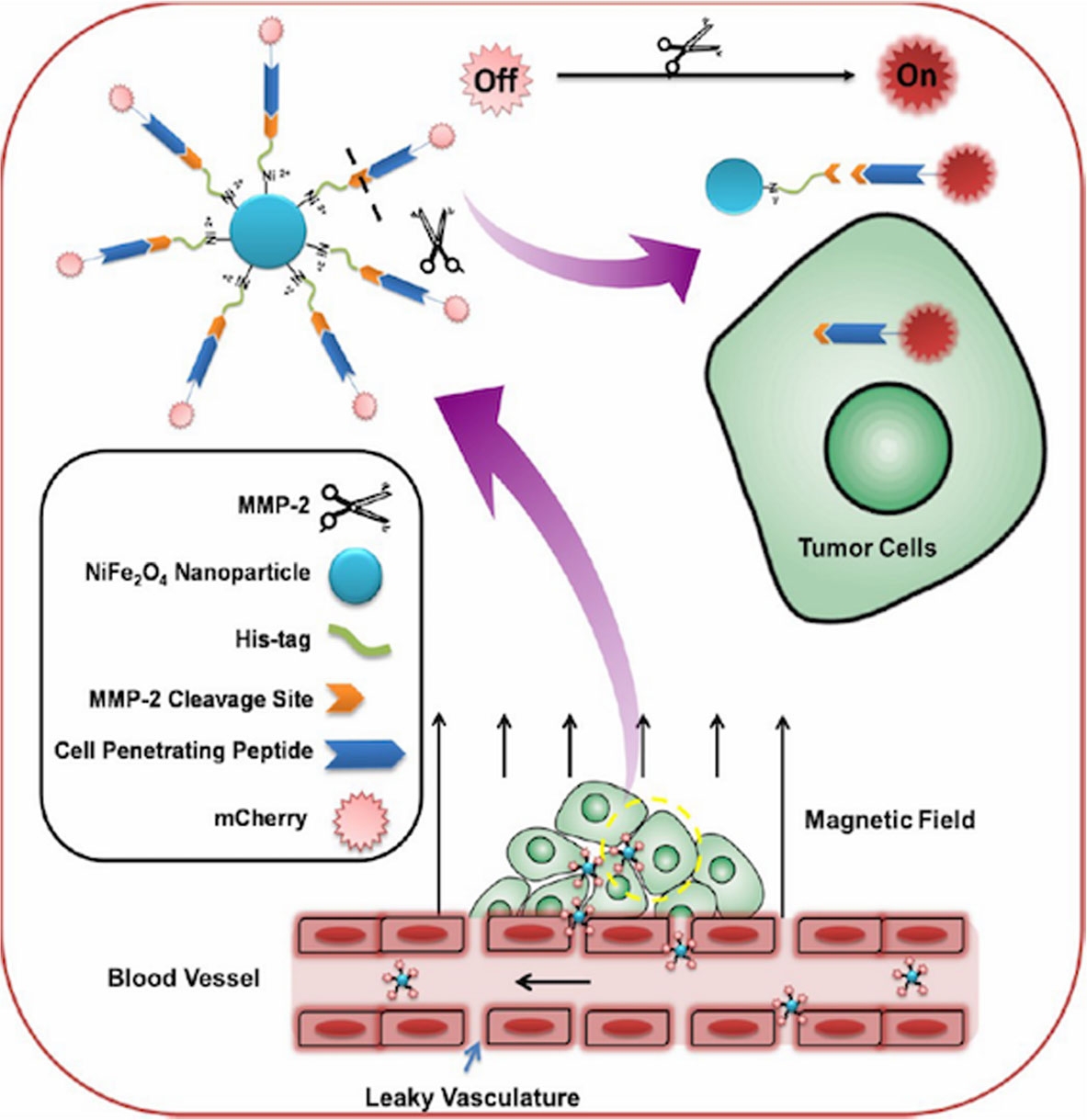
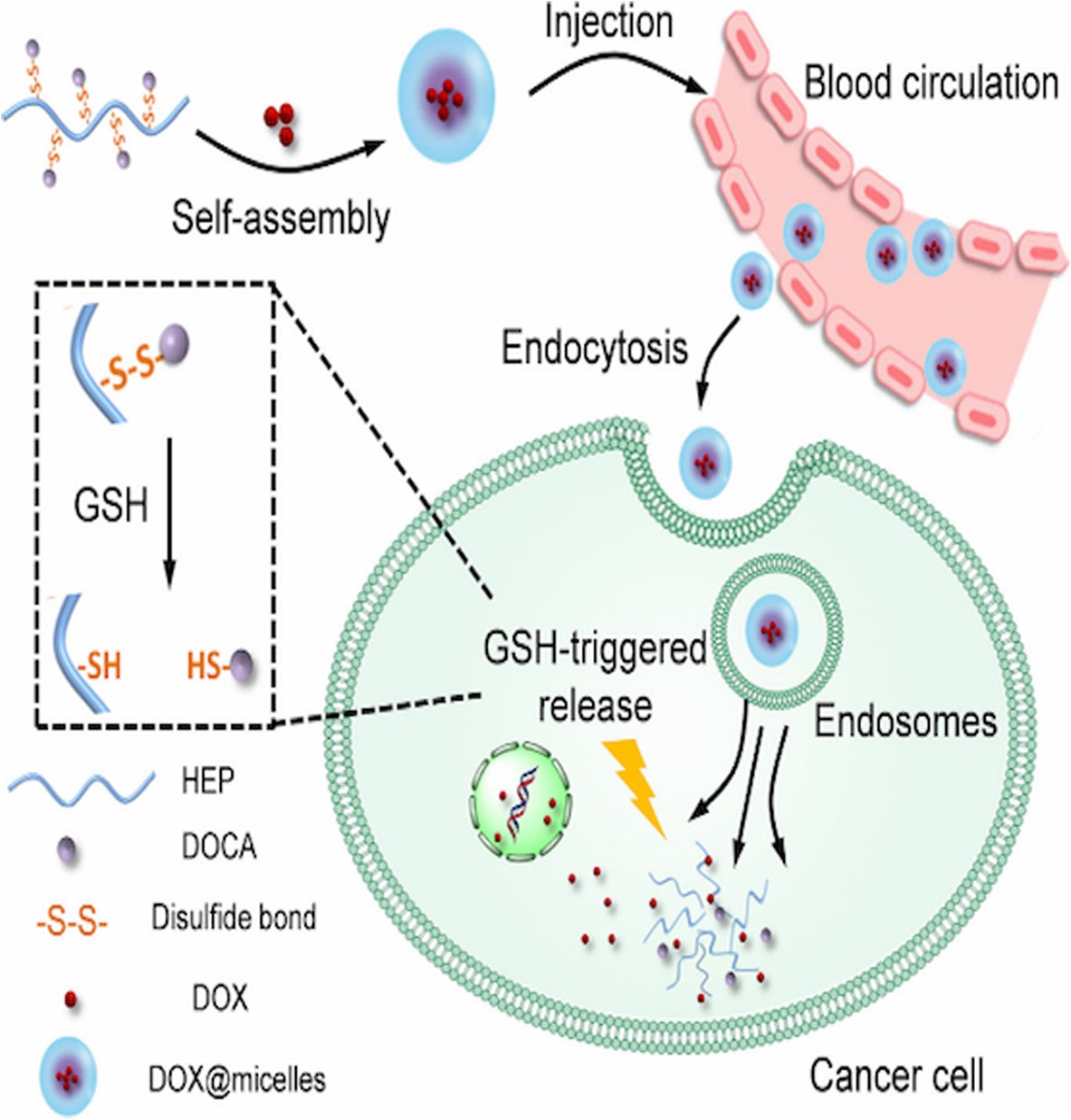
The article centers on five distinctive features of the tumor microenvironment, respectively introducing nanoparticle design strategies based on acidic pH, hypoxic conditions, overexpressed enzymes, redox imbalance, and elevated reactive oxygen species levels. It also discusses composite nanosystems with multiple stimuli-responsive capabilities. Representative research cases are listed under each strategy, elaborating on material construction approaches and drug release mechanisms.
(4) Study Design
This study is a review article. The authors first outline the common physicochemical characteristics that distinguish the tumor microenvironment from normal tissues, then classify existing literature according to different stimulus-response types, unfolding layer by layer from material structure design, trigger mechanisms to functional implementation, and finally conducting a horizontal comparison of the advantages and limitations of each strategy.
(5) Results
Tumor microenvironment-responsive nanoparticles rely on physiological features universally present in tumor tissues rather than a single cell surface receptor, thus offering broader applicability. Compared with traditional nanocarriers depending on active or passive targeting, these smart systems can achieve controlled drug release in situ at tumor sites, improve the uniform distribution of therapeutic agents within tumors and cellular uptake efficiency, while integrating both imaging and therapeutic functions.
(6) Extended Perspectives
One future development direction of this field is the combination of tumor microenvironment-responsive nanotechnology with immunotherapy, to further reduce treatment-related side effects while enhancing tumor targeting specificity. In addition, deeper understanding of intracellular trafficking pathways of nanoparticles and the development of carrier structures with higher diffusion capacity are also key directions for subsequent research.
We provide full-process services for various material designs (including highly innovative scheme design, preparation, characterization, in vitro and in vivo validation (cell/animal experiments), etc.): a postdoctoral team (with multiple high-impact publications in Zone 1 journals) can meet all kinds of tricky and challenging requirements, including hydrogels / drug delivery / nanomaterials / polymers / liposomes / microneedle drug delivery, etc. We can assist with project design / NSFC grant applications / publication of high-impact Zone 1 and Zone 2 papers in journals such as AFM, SCI, AM, etc. Welcome to consult 👇️
17768014569 (Senior Engineer Gao)
17761925168 (Engineer Zhang)
18013729810 (Engineer Yang)
18915694570
Previous: Daily Myocardial Remod
Next: the end...