

Soluble Nanomedicines and the Pain Microenvironment of Osteoarthritis
Research and applications of soluble nanomedicines targeting the pain microenvironment of osteoarthritis (OA) represent a cutting-edge interdisciplinary field. The primary goal is to harness the unique physicochemical properties of nanomaterials as drug carriers. By modulating their interactions with synovial macrophages, osteoclasts, sensory neurons and the intra-articular microenvironment, targeted drug delivery, controlled release and synergistic therapeutic effects can be achieved.
Soluble nanomedicines enable targeted relief of osteoarthritis pain. This soluble nanomedicine (termed LAC) is a nanocomplex self-assembled using Mg/Al layered double hydroxide (LDH) as the carrier, loaded with celecoxib (CEX) and alendronate (ALN) (Liu et al., Exploration, 2026). Upon intra-articular injection and arrival at OA lesions, the nanomedicine effectively neutralizes the acidic intra-articular microenvironment (H⁺) and gradually degrades under weak acidic conditions to release CEX and ALN. This realizes synergistic therapy following the paradigm of “soluble nanomedicines combat soluble neuronal sensitizers”.
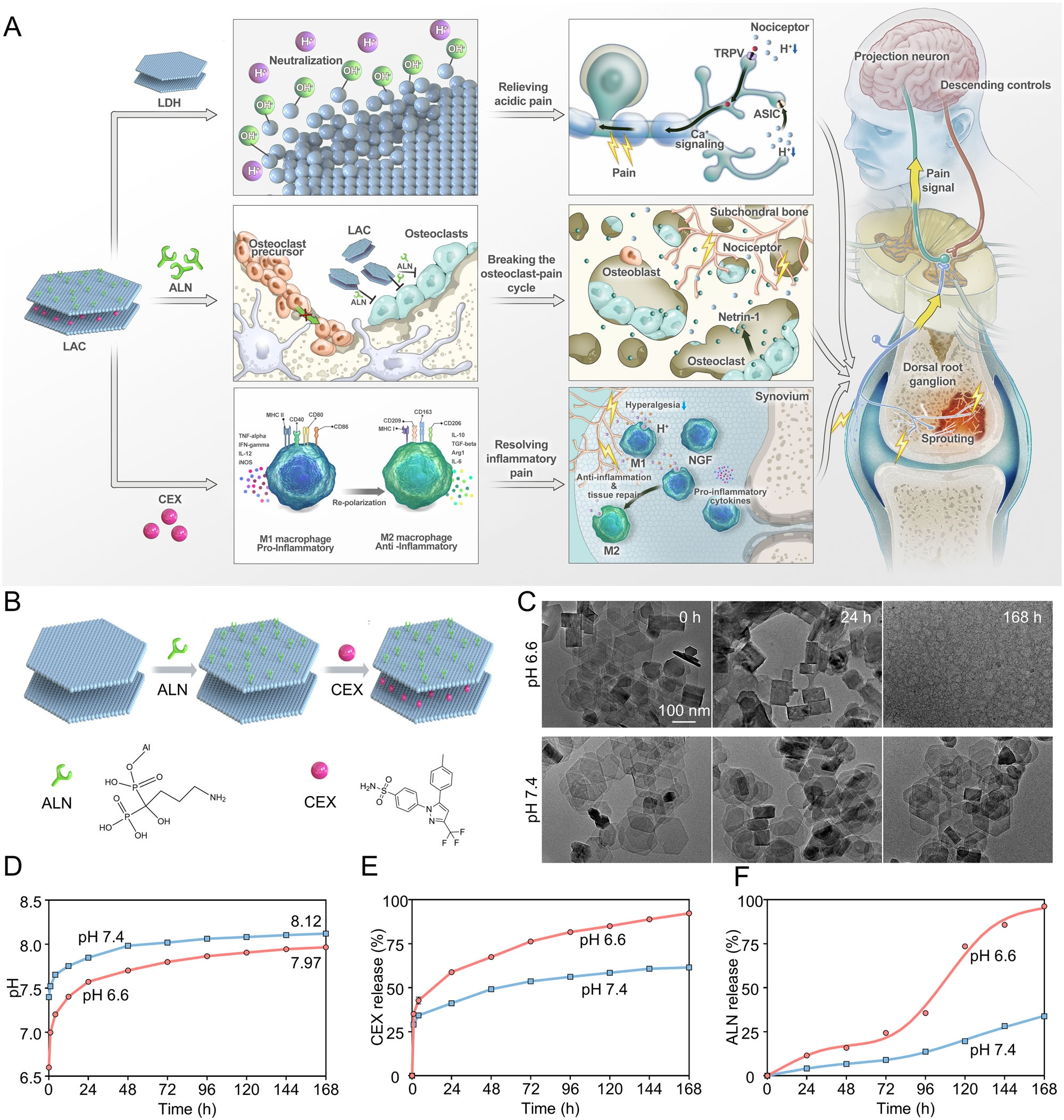
Soluble nanomedicines mediate the regulation of the osteoarthritic immune microenvironment. CEX released from the nanomedicine efficiently induces the repolarization of synovial macrophages from the pro-inflammatory M1 phenotype to the anti-inflammatory M2 phenotype. This markedly attenuates synovial inflammation and greatly reduces nerve growth factor (NGF) secreted by M1 macrophages. Meanwhile, ALN suppresses osteoclast activity and decreases the release of Netrin-1 in the subchondral bone. Such dual regulatory effects break the vicious “osteoclast-neuronal sensitization” cycle, achieving multi-level relief of OA pain while protecting articular cartilage and subchondral bone.
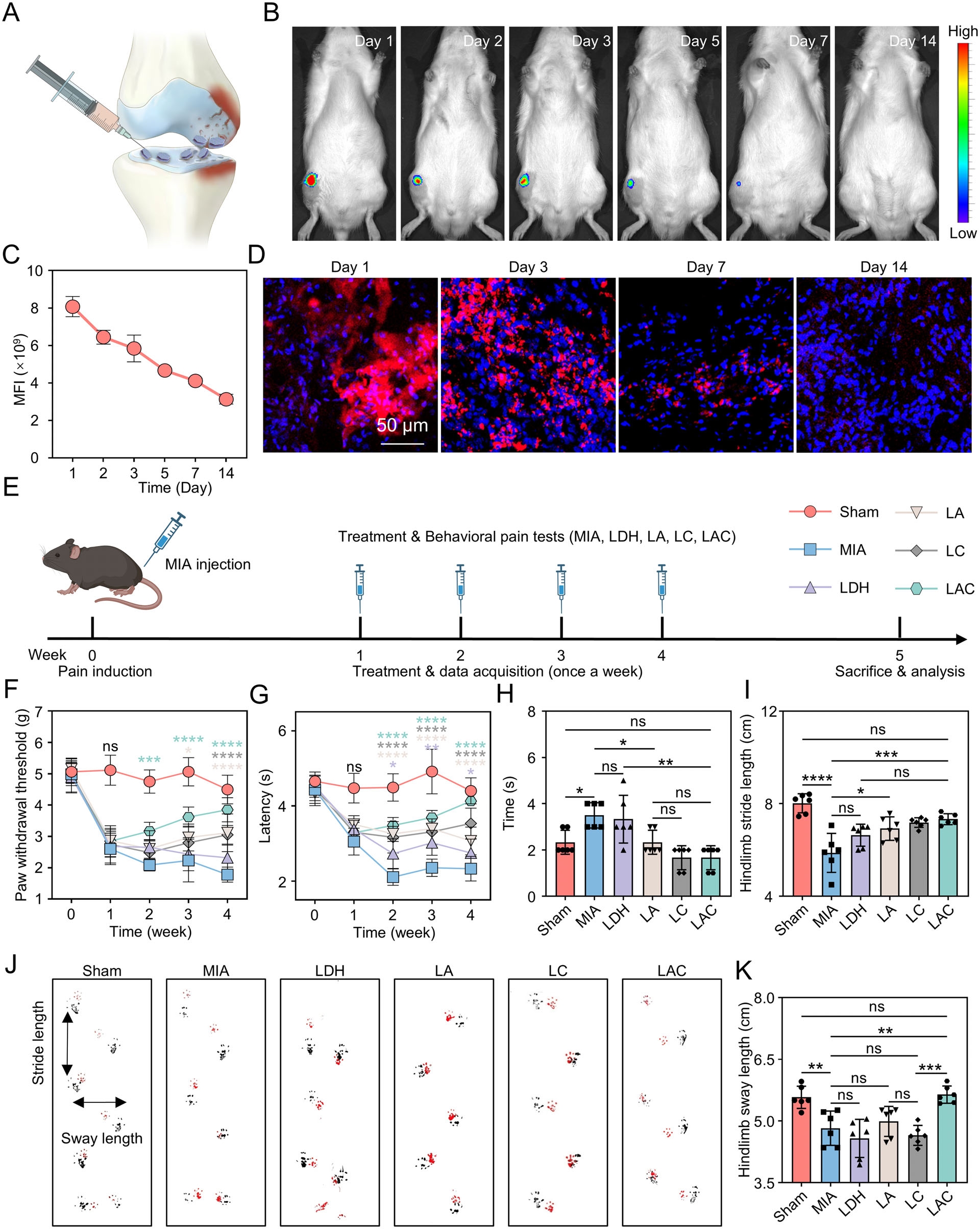
Soluble nanomedicines block pain signaling in osteoarthritis. The nanomedicine precisely eliminates three key soluble neuronal sensitizers within the joint cavity: H⁺, NGF and Netrin-1. LDH-mediated neutralization of excess H⁺ suppresses abnormal firing and calcium influx in dorsal root ganglion (DRG) neurons, lowering neuronal excitability. Meanwhile, reduced secretion of NGF and Netrin-1 inhibits aberrant outgrowth and sensitization of nociceptor axons. Consequently, the mechanical pain threshold and thermal pain threshold are substantially elevated, fundamentally alleviating persistent OA-associated pain.
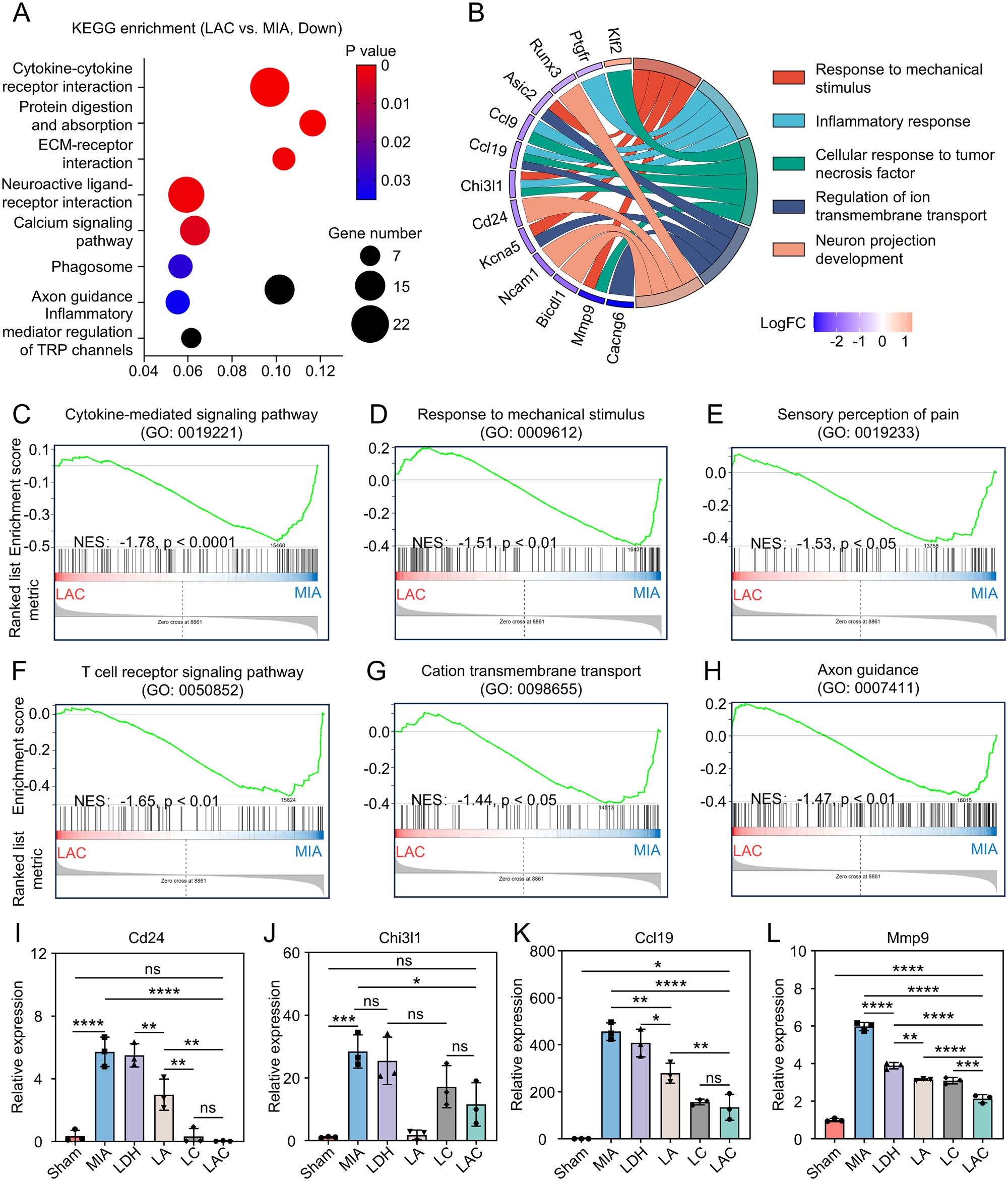
In summary, this study proposes an innovative therapeutic paradigm: “soluble nanomedicines scavenge soluble neuronal sensitizers”. LAC exhibits outstanding analgesic efficacy and chondroprotective effects in both MIA and DMM OA animal models. It offers a novel strategy to simultaneously relieve OA pain symptoms and slow disease progression.
18915694570
Previous: BK Oncolytic virus pla
Next: the end...